Hedvika Petrželková

3. August 2026

Alternativní text obrázku

From David Lynch to Contemporary Soundtracks: Smecky Music Studios Has Been Recording Film Music for Over 80 Years

In the center of Prague, just a few steps from the bustling Wenceslas Square on Ve Smečkách Street, lies SMECKY MUSIC STUDIOS. It’s an inconspicuous building to the average passerby, but for world cinema and music history, it has a genius loci that few venues in Europe can rival. Music for films has been recorded right here since 1943. Over its decades of existence, the studio has transformed from a recording facility for Czechoslovak cinema into a state-of-the-art studio sought after by productions from all over the world.

We spoke about the history, operations, and current standing of the studio with studio manager Magdalena Furman and executive director Josef Pokluda, both of whom have extensive experience with international projects.

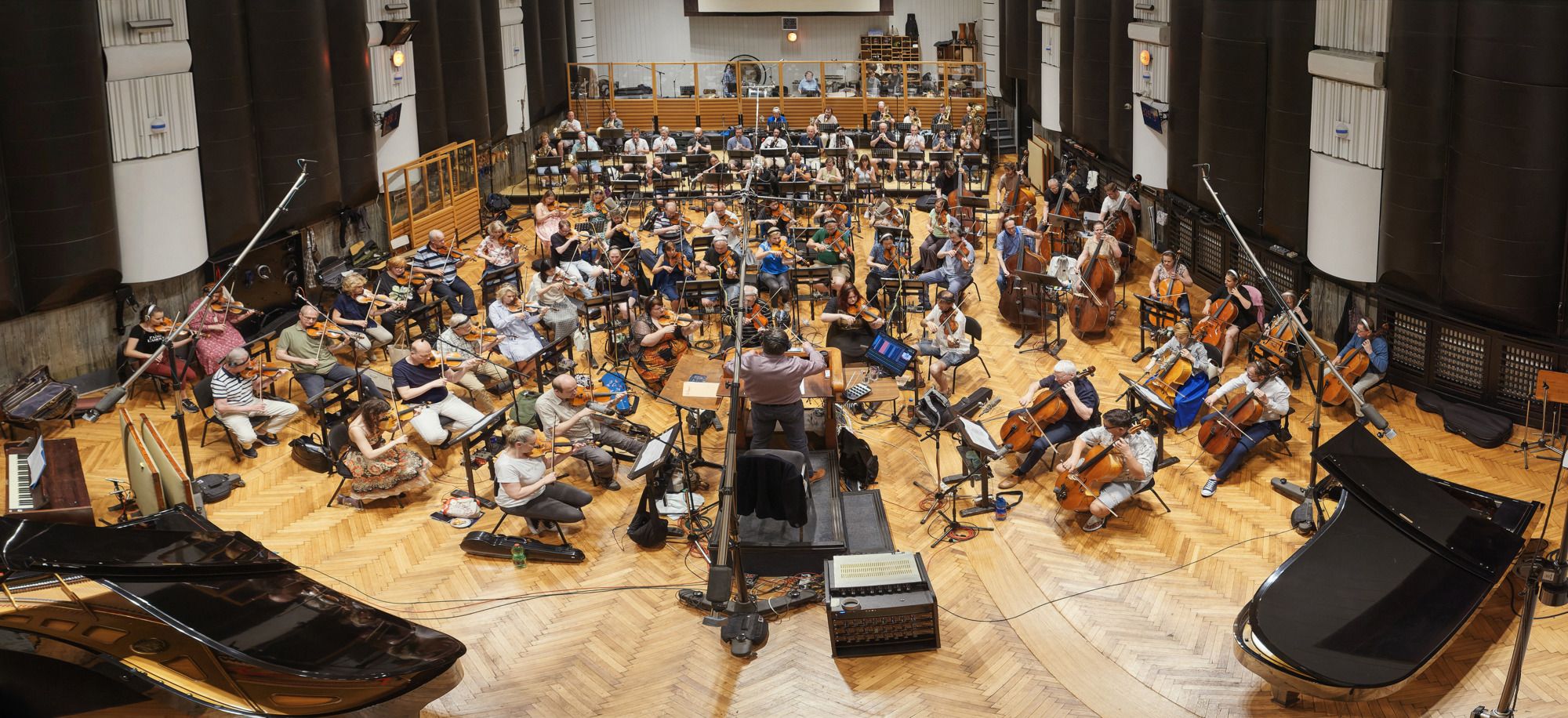
Image 11-smeckymusicstudio-e0282530-orf_panorama.jpg

Smecky Music Studios

A Look into History: From Czech Classics to Hollywood 


The studio was established in 1943, when the orchestra of the AB Barrandov Film Studios began operating here. However, the history of the building and the hall itself dates back to 1903, when the Urania educational association operated on the site. In 1921, Albert Einstein lectured here on the theory of relativity, while another titan of science, Nikola Tesla, lived in the house opposite.

Following the nationalisation of the film industry in 1945, the orchestra became part of Czechoslovak State Film and acquired the name Film Symphony Orchestra (FISYO). Here, conductors such as František Belfín, Milivoj Uzelac, Štěpán Koníček, and Mário Klemens breathed life into the music for thousands of films, including The Divine Emma. FISYO worked at the studio on Ve Smečkách until 1991, when it was replaced by the City of Prague Philharmonic Orchestra. This move allowed the studio to seamlessly build on tradition and open up to the global market, firmly establishing Prague on the map of world film sound. The studio began collaborating with foreign productions and soon ranked among the most respected European centres for recording film scores.

The David Lynch Phenomenon: A Thunderstorm and a Soul in a Demijohn 

Among the prominent guests was David Lynch, who grew so fond of Prague that he returned repeatedly. He recorded the music for the films Blue Velvet, Lost Highway, and Mulholland Drive here. "When Lynch walked into the studio, he just appeared in the doorway, and the musicians went quiet. He had that kind of personality," recalls Pokluda, who has been with the studio since the late 1980s. According to him, working with such striking personalities of world cinema is among the most valuable experiences the studio has gained over the decades.

David Lynch was known for his creativity, which extended to his work with sound. Pokluda recalls the now-legendary story of a demijohn that caught Lynch's eye in a nearby pub - so much so that he had it brought to the studio. He then lowered a microphone into the belly of the demijohn and had the orchestra play around it, so the sound captured through the glass gave the music an unrepeatable character. In a similarly spontaneous fashion, he halted recording so he could capture an authentic Prague thunderstorm through the studio's open window. The emotional arc of this story closed recently when Lynch's son and his resident sound engineer visited the studio. Decades later, they were moved to hear the very same sounds of the storm in that hall - sounds the famous director had once "captured" directly from Ve Smečkách Street.

Much like David Lynch, other prominent figures in world film music - both composers and directors - return to the studio. According to Pokluda, the long-term collaboration with the City of Prague Philharmonic Orchestra is one of the studio's greatest strengths. "It's a huge bonus. We have a vast history behind us, along with the ability to select the best musicians for every assignment based on the specific project," he says. According to the studio, Czech musicians' experience with film music is one of the key reasons why foreign productions come back to Prague again and again.

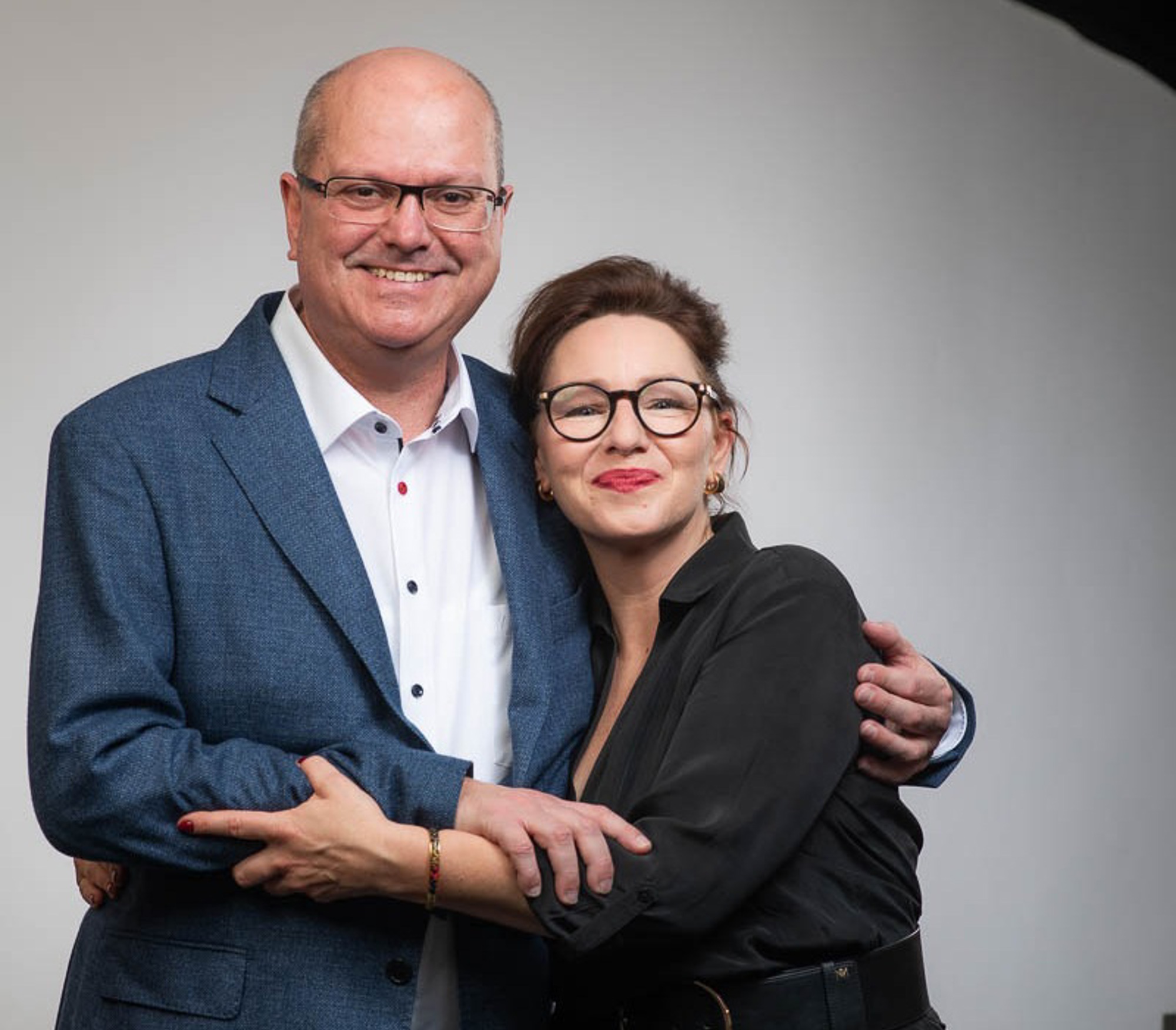
Image photo_vojtech_vlk_7288_orez.jpg

Josef Pokluda and Magdalena Furman

Vojtěch Vlk

A Parade of Famous Names and Titles: From Desplat to Davis 

The studio has hosted virtually all the top names in the film music industry: composers and conductors such as Angelo Badalamenti, Elmer Bernstein, Kevin Kiner, Alexandre Desplat, the brothers Mychael and Jeff Danna, and the famous British composer and conductor Carl Davis have all made appearances. Composer Rachel Portman, the first woman to win an Oscar for Best Original Score, recorded the music for films such as The Duchess, Belle, Private Peaceful, Grey Gardens, and Despite the Falling Snow here.

Notable film titles whose music was recorded in the studio include Arrival (the score was recorded here by composer Jóhann Jóhannsson himself) and the Oscar and other award-winning German film The Lives of Others. Other major feature films include The Ninth Gate (Roman Polanski), The Portrait of a Lady (Jane Campion), Melancholia (Lars von Trier), Fargo (the Coen brothers), and the series Star Wars Rebels and Star Wars: The Clone Wars.

The studio also caters to video games, theatre music, popular music, and commercials. Singer Adele recorded her album 25 here, garnering her six Grammy awards. “Speaking of music awards, we are proud recipients of four Latin Grammys (and nominated for another three); we have two Grammys, seven International Film Music Critics Association awards (and ten other nominations), and many others,” says Furman.   

From Musical Idea to Final Soundtrack

Today, the studio does not function merely as a recording space. It offers clients a complete service, from composition and orchestration to the final recording. "When a director or producer contacts us needing music for a film, we can manage the entire process. We have experienced composers, orchestrators, and a production team," explains Pokluda.

A crucial member of the team is sound engineer Jan Holzner, who has been with the studio since the 1980s. One of Europe's most respected specialists in orchestral recording, he holds six Grammy Awards for music recorded at Smecky Music Studios with the City of Prague Philharmonic Orchestra, including for his work on Adele's album 25. Over his career, Holzner has collaborated with numerous international musical figures and contributed to recording scores for films and series such as Fargo, Tyrant, Melancholia, The Lives of Others, and Arrival – all recorded at Smecky Music Studios.

Technical Alchemy: An Analogue Desk and Microphones with a History

While many studios today rely solely on digital, Smecky Music Studios cherishes its "analogue soul". The recording studio utilises a highly sought-after Neve 88RS analogue console, from which the recorded sound is only subsequently converted to digital format. "Getting the sound onto the recording as authentically as possible is a grand alchemy. Every detail matters - which microphones are chosen, where exactly they are placed," explains Pokluda. During recording, a "close miking" technique is employed, where each section of the orchestra (brass, woodwinds) or even individual musicians have dedicated microphones. This gives sound engineers significant flexibility during post-recording mixing.

The studio was also a pioneer in remote recording. Thanks to optical cables and modern software, it allows real-time recording with clients worldwide (e.g., from LA or London) with zero latency. "Remote clients can see and hear the musicians and the control room in real time and communicate their feedback to the conductor immediately," Furman explains.

The recording hall itself underwent a major renovation and now boasts flawless acoustics specially tuned for recording film music as well as other genres. For the absolute isolation of specific instruments such as drums, harp, or soloists, a specialised isolation booth is used.

A true rarity that the Prague studio boasts is the collection of microphones belonging to master sound engineer John Timperley (1940–2006), a long-time collaborator of Paul McCartney, among others. The studio acquired the collection from the stellar sound engineer's widow as a gesture of personal trust. Timperley’s microphones - used on scores for films like The Ninth Gate and The English Patient - could have gone to any studio in the world, but his widow chose Smecky Music Studios.

Another point of interest is an extensive collection of percussion instruments from all over the world, which is a huge benefit for international composers - everything from sticks to the rarest drums is ready for use right on site.

Flexibility Valued by Global Productions

Another key reason why international clients choose Prague is its extraordinary flexibility. "We are fully aware of the immense pressure and stress that often accompany the composition process, which is why we are always prepared to handle any last-minute adjustments, revisions, or requests from our clients. Film music is an evolving, dynamic process, and we are accustomed to adapting to it," explains Pokluda.

This flexibility extends to unusual situations as well. Pokluda recalls a session back in the 1990s where a contrabass clarinet was required, which no orchestra in the country had at the time. "I eventually tracked down both the instrument and a player at the Dresden Opera. He arrived by train and walked into the studio the next morning at 8:55. These days, many orchestras have them," he adds.

Foreign productions also greatly appreciate that they are not dealing with an impersonal corporate entity, but with a small team that handles everything - from initial remote contact to ongoing care throughout the stay of the composer and production crew at the studio. "It’s important to us that, alongside the high-quality work delivered by the musicians and studio staff, our clients feel comfortable both with us and in Prague itself, leaving with only the very best experiences," says Furman.  

Where Technology Meets Experience and Craftsmanship

Today, more than eighty years of experience meet cutting-edge technology and knowledge passed down from generation to generation at the Prague studio. Yet, according to Pokluda, the essence of the work has barely changed over the decades. "At the end of the day, it always comes down to a musical idea and the people who can translate it onto paper and then into a recording. Technology is evolving at an unbelievable pace, but it wouldn’t be possible without a good composer, orchestrator, conductor, musicians, and sound engineer.”

Thanks to the expertise of Czech musicians and the capability to respond to the needs of modern film production, the studio holds a prominent position on the global film music map. The studio’s combination of experienced musicians, top-tier technical facilities and their operators, exceptional flexibility, and a personal approach is precisely what clients from across the globe return to. They are all searching for the same thing: a place where music can be recorded at the highest level.

And while generations of composers and filmmakers pass through the doors of the historic building on Ve Smečkách Street, one thing remains constant: in the hall where the history of film sound recording in Prague began over 80 years ago, music is still created that echoes through cinemas, televisions, and streaming platforms around the world.